A Seasonal Wildflower Calendar for the Sussex Coastal Cliffs
Step onto the wind-bright edges of Sussex and follow a living calendar that traces bloom to seed across chalk-white headlands and shingle bays. This seasonal wildflower calendar for the Sussex coastal cliffs helps you recognise delicate pioneers of spring, the blazing drifts of summer color, and winter’s quiet resilience. Expect practical pointers, stories from the path, and gentle guidance for safe, low-impact exploring. Share your sightings, swap tips with fellow wanderers, and return often as the year turns.
March–April Highlights
Watch for common scurvygrass brightening crevices, Danish scurvygrass along salty tracks, and sea campion’s tight cushions promising bloom. Thrift forms tight, sea-sprayed mounds, while horseshoe vetch unfurls on warmer banks. Cowslips glow on adjacent downsides, and early bees begin tentative patrols between brief sunbursts. Keep an eye on sheltered hollows where warmth lingers, and carry a small notebook to mark first bloom dates for your personal seasonal record.
Best Spots on Blustery Days
Seek lee-side slopes and tucked combes where sea wind softens, like the meadows set back from Birling Gap, the gentle folds near Hope Gap, and south-facing terraces at Seaford Head. These pockets trap warmth and scent, letting early flowers open longer between gusts. Step carefully on narrow trods, pause behind gorse banks for calmer viewing, and let the landscape teach you how microclimates cradle fragile blooms along the shifting edge.
Field Notes for Ethical Observers
Spring growth is tender, cliff edges are unstable, and soil crusts are easily crushed. Stay on established paths, photograph instead of picking, and admire cliff-ledge plants from safe distances. Keep dogs close during nesting season, avoid trampling thin turf, and leave pebbles where they rest on shingle. Record what you see, share responsibly with local groups, and let care for this place be the first thing you return with after every walk.

Thrift and Sea Campion Ribbons
Thrift paints the cliff rim with pink constellations, each tuft adapted to salt-laden gusts and thin, lime-rich soils. Sea campion follows with papery calyces and luminous petals, thriving where few roots dare. Kneel to notice miniature dramas: beetles deep in bells, petals sheltering nectar, and intricate seed pods forming after bloom. Map these bright bands along your route, comparing exposure, aspect, and soil depth to see how color arranges itself by wind and chalk.

Sea Kale and Shingle Specialists
On shingle fans at Cuckmere and Tide Mills, sea kale anchors the mobile stones with thick, glaucous leaves and fragrant, foamy blossom. Look also for yellow-horned poppy’s curled pods, diverse oraches, and the shy geometry of sea beet. Shingle flora survives shifting ground and salt spray through clever rooting and waxy protection. Stand back for a wider look: ridges, pools, and wrack lines create repeating patterns where moisture gathers and specialists quietly flourish.
Pollinators You’ll Meet
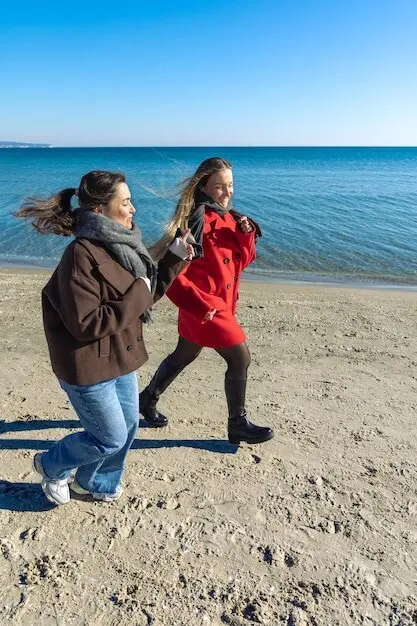
This is prime time for bees combing horseshoe vetch, carder bees fussing over thyme, and early Adonis and common blues weaving neon stitches across warm slopes. Hoverflies mimic wasps while deftly nectaring, and day-flying moths flash confetti over knapweed buds. Bring a gentle patience: pause beside a sunny bank, breathe evenly, and watch plant and pollinator negotiate an ancient contract of sugars, color, and timing that makes the coast’s brief abundance thunderously alive.
High Summer Blaze Over the White Edges
By July the coast roars with saturated color and insect music. Viper’s-bugloss towers with electric blue spires, knapweed hosts scabious blues and burnets, and pyramidal orchids punctuate turf with bold geometry. Restharrow hums in low, sticky thickets, while thyme releases warm clouds of scent under boot. Heat sharpens chalk glare, so pace your route and linger where breeze and shade meet. The cliffs feel ancient, generous, and brilliantly alive in full sunlight.
Late Summer to Early Autumn: Seed and Subtlety
As August slides into September, colors soften and textures sharpen. Wild carrot lifts lacy umbels that cup inward, yarrow stays calm and steadfast, and autumn hawkbit brightens tired turf with sunlit coins. Harebells ring quietly on breezy banks, while thrift and sea campion shift attention to ingenious seed structures. In quieter air, you begin to read the year backward through seedheads, stalks, and whispering grasses, learning where winds slowed and insects lingered longest.

Winter Resilience on the Edge
Winter pares everything back to structure and stamina. Thrift tightens into evergreen pillows, scurvygrass retreats to leathery rosettes, and lichens stipple chalk with yellow, gray, and lime. Storms redraw edges overnight; paths change character with each gale. Yet sunlight occasionally burns through, silvering the water and lighting seedheads you missed. Bring a thermos, stable boots, and a slow gaze. This is the season that reveals roots of place, patient, quiet, and enduring.
What to Look For in Dormancy
Search close to the ground for the geometry of survival: tight cushions, neat rosettes, and wiry mats hugging warm stones. Identify thrift by evergreen tufts, sea campion by opposite leaves and dry calyces, and vetches by low, persistent remnants. Note snail tracks across chalk dust and winter gnaw on seed stalks. Even without petals, you’ll learn species through posture, texture, and position, building recognition that blooms will richly confirm in spring.
Storm-Wise Access and Care
Chalk cliffs are dynamic. Heed closures, respect fencing, and never approach edges after heavy rain or high winds. Choose broader, well-drained paths and avoid trampling saturated turf that tears underfoot and scars slowly. Pack extra layers, a headlamp, and a paper map as daylight thins surprisingly fast. If waves are hammering the base, enjoy top views from safer, set-back vantage points, leaving beach-level explorations for kinder tides and calmer skies.
Micro-Quests for Families
Invent gentle challenges that turn short winter windows into discovery: count thrift cushions along a safe section, sketch three different lichen patches, or list five leaf textures without leaving the path. Teach youngsters to spot rosettes without stepping off the trail, and celebrate warm pockets where low sun collects. Back home, match finds with field guides and plan spring returns, letting curiosity build a family calendar that tracks the coast’s quiet perseverance.

Routes, Access, and Microhabitats
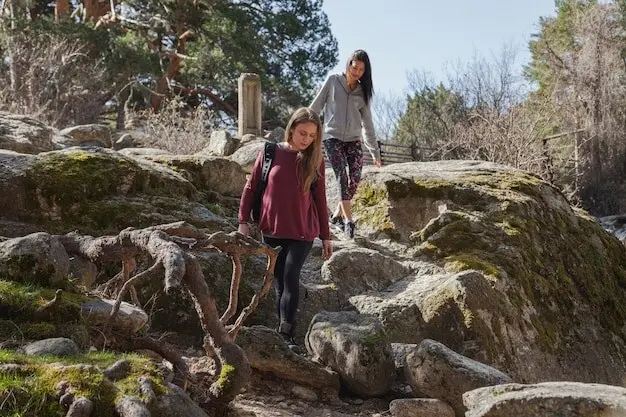
Sussex’s coast is a mosaic: cliff-top turf, sunlit ledges, shingle arches, and damp hollows that host distinct plant communities. Think like a cartographer of wind and lime, noting how paths thread safer ground while views open beautifully just back from the brink. Identify reserves and waymarked routes, time your outings with bus links between Brighton, Seaford, and Eastbourne, and keep contingency options for weather shifts. Every bend introduces another lesson in place-specific adaptation.
Join In: Recording, Sharing, Protecting

Simple Records That Matter
Take clear, well-lit photos of leaves, flowers, and habitat, note date, location, and abundance, then submit to iNaturalist or directly to the Sussex Biodiversity Record Centre. Even common species data reveals shifting baselines and guides habitat care. Add flowering stage and pollinator presence where possible. By sharing responsibly, you transform quiet walks into meaningful contributions, ensuring future visitors meet the same thrift cushions, vetch banks, and bee-busy knapweed that welcomed you today.
Community and Events
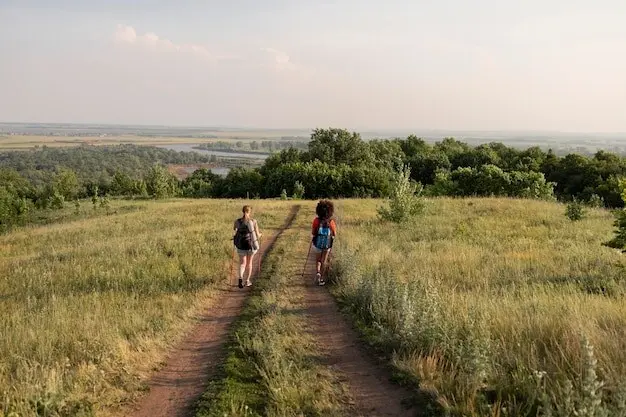
Seek guided walks through South Downs National Park partners, join Sussex Wildlife Trust outings, or sign up for Plantlife campaigns that boost coastal flora. Group days unravel tricky identifications and build confidence around similar species. Chat with wardens about path management, grazing, and seasonal closures. Swap favorite vantage points and bus tips, then arrange a return visit in another month to witness the next chapter of bloom, seed, and silver sea light together.
Pledges for Gentle Footsteps
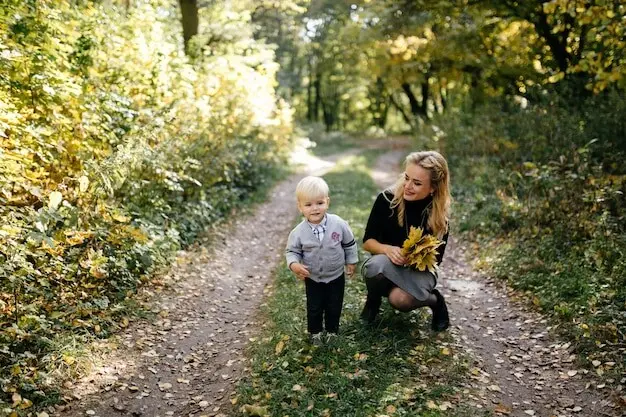
Adopt a simple code: stay on paths, give flowers space, leave stones and drift where found, and keep dogs close during bird breeding. Skip foraging in sensitive areas and SSSIs, choose reusable bottles, and pack litter out. Share this calendar with newcomers, encouraging patient looking instead of collecting. Small kindnesses scale beautifully along fragile edges, letting chalk turf thicken, seeds find purchase, and the coast continue whispering its bright, salt-bright stories each year.
All Rights Reserved.