Along the Chalk Edge: Capturing Sussex Cliffside Wildflowers

Welcome to A Photographer’s Guide to Sussex Cliffside Wildflowers, a practical, heartfelt journey along the chalk cliffs of the Seven Sisters and Beachy Head. We’ll blend fieldcraft, safety, and creative technique to honor thrift, sea campion, kidney vetch, and other resilient blooms while reading tides, wind, and light. Expect hard-won tips, sunrise anecdotes, and respectful gear choices that protect fragile habitats, helping you return with images that shimmer with salt, color, and the honest breath of the sea.

Reading the Chalk Coast

Sussex’s chalk cliffs are a living edge where geology, weather, and botany negotiate every inch of survival. Understanding this coastline shapes every photograph you make, from how the wind sculpts petals to where the light pools on pale rock. We’ll explore microhabitats, safe vantage points, and rhythms of tide and sun that turn brief blooming windows into unforgettable frames.

01

Scouting Seven Sisters and Birling Gap

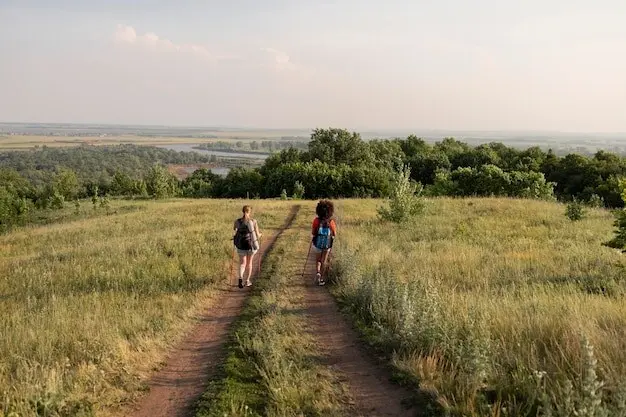
Begin with slow reconnaissance: look for modest hummocks resisting the wind, thrift cushions clinging to ledges, and safe, set-back viewpoints above Birling Gap. Fences mark boundaries for a reason; chalk can crumble silently after rain. Record GPS pins at sunrise and return at golden hour, letting incoming tide lines and cliff contours guide balanced, breathing compositions.

02

Microclimates, Wind, and Salt Spray

A northeasterly can flatten delicate stems while a westerly hides them behind lee slopes. Study the wind forecast hour by hour, then choose hollows where flowers shelter in soft, usable light. Keep a microfiber cloth ready for salt spray, shade lenses from flare with your body, and use natural banks as windbreaks to preserve detail and patience.

03

Light, Tide Tables, and Safer Footpaths

Tide height controls access to foreshore textures and reflective pools, while cliff-top paths offer safer, commanding lines. Check tide tables alongside sunrise times, noting when wet chalk glows like porcelain. Plan exits before the sea pins you. Favor established paths, step gently around blooms, and treat every viewpoint as provisional, adjusting to shifting clouds and water.

Wildflower Cast of the Cliff

The stars here are tough, salt-kissed specialists that paint spring and early summer with restrained brilliance. Thrift, sea campion, kidney vetch, horseshoe vetch, rock samphire, and wild cabbage each tell a story of chalk, wind, and pollinators. Knowing their shapes, bloom windows, and companions refines your timing and helps you honor authentic color, proportion, and ecological relationships.

Light, Lenses, and Settings That Sing

Coastal light is mercurial, bouncing from sea onto chalk, saturating color one minute and bleaching it the next. Choose macro lenses in the 90–105mm range for gentle working distance, or extension tubes on a standard prime. Balance shutter speed against wind, keep ISO honest, and treat backlighting, diffusers, and reflectors as storytelling tools, not mere technical fixes.

Macro Choices and Magnification

A true macro at 1:1 reveals pollen grains and petal textures that make viewers lean closer. Yet don’t crowd the plant; longer macros protect roots and behavior. If traveling light, extension tubes on a 50mm create nimble close‑ups. Prioritize stabilization, pre-focus gently, and rock your weight instead of twisting rings, preserving both sharpness and the flower’s dignity.

Taming Wind with Speed and Support

Wind is the cliff photographer’s constant collaborator. Raise shutter speed to freeze buffeted blooms, or lean into motion blur to suggest breath, pairing neutral density with intentional panning. A sturdy tripod with a short center column, a beanbag on a bank, and a patient pause between gusts deliver frames where chaos resolves into poised, lyrical movement.
Foreground Blooms, Sweeping Chalk, Endless Sea

Kneel to place thrift within arm’s reach, then tilt to let the Seven Sisters step rhythmically behind. Keep the horizon honest; a level sea calms an adventurous frame. Let foreground color whisper into distance, the viewer journeying from petal to headland, finally resting where chalk light and water meet in patient, well-spaced harmony.

Color Harmony, Texture, and Breathing Room
Sussex palettes reward restraint: muted pinks, creamy whites, buttercup yellows, chalk whites, slate blues. Compose with space so colors glow without shouting. Use textured grass as a mid-tone bridge, and let chalk reflect light back into petals. The result feels airy, respectful, and contemporary, honoring coastal quiet instead of chasing spectacle, serenity woven into every edge.

Sequences, Diptychs, and Narrative Flow

Think in pairs and trios: a wide establishing view, a mid-distance relationship, then a close macro. Arrange them left to right like wind strengthening across a page. This sequencing helps audiences feel place, not just plants, carrying them from recognizable cliffs to petal veins, a storyline that invites return visits and deeper, slower looking.

Respecting Edges and Reading the Ground

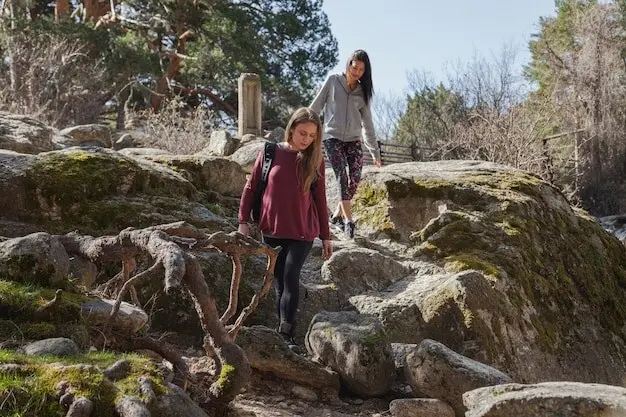
Cracks radiating from an edge, unusual dampness after rain, or hollow resonance underfoot all warn you off. Keep weight well behind fences, extend lenses rather than bodies, and use longer focal lengths for cliff drama. Safety choices shape composition, too, nudging you toward cleaner lines, steadier horizons, and a calmer, more contemplative visual voice.

Paths, Footprints, and the Life Between

The inches beside a path host seedlings, lichens, and invertebrates living entire dramas invisible at a glance. Plant tripod legs on bare ground, rotate around existing footprints, and lift, don’t drag, gear. If a bloom holds court in delicate turf, work wider and lower rather than stepping closer. Ethical distance often births fresher, more inventive framing.

Rangers, Volunteers, and Shared Stewardship

Talk with local wardens or volunteers; they know recent slips, nesting zones, and best approaches. Share sightings and phenology notes, credit conservation groups in captions, and encourage followers to donate or join work parties. Collaborative storytelling turns photographs into invitations, threading admiration into action so these cliff-edge communities endure beyond a passing, beautifully lit morning.

Fieldcraft, Safety, and Care

Every respectful photograph begins with safe footing and gentle presence. Chalk can shear without warning; stay back from edges and obey signage. Step on durable surfaces, avoid trampling cushions, and mind burrows. Carry a small trash bag, report hazards, and model considerate behavior. Images made with patience and care carry deeper resonance and invite others to protect what they admire.

Weather, Mood, and Coastal Drama

Sea fret, sudden squalls, and dazzling midday glare each ask for different strategies. Instead of resisting, translate mood into clarity: mist for tenderness, storm light for contrast, high sun for graphic minimalism. Pack a rain cover, microfiber cloths, and a lightweight diffuser. Let changing conditions redraw your plan, gifting photographs that feel lived, specific, and honestly coastal.

Editing, Story Sharing, and Community
Post-processing should honor place: maintain believable whites on chalk, restrained saturation on petals, and gentle contrast that respects coastal haze. Pair images with natural-history notes, bloom dates, and access guidance. Invite comments, field tips, and local memories. Subscribe for seasonal alerts and location updates, and share your sets so our collective eye deepens, encouraging kinder footsteps for future walks.
Lumaloropalo
Privacy Overview

This website uses cookies so that we can provide you with the best user experience possible. Cookie information is stored in your browser and performs functions such as recognising you when you return to our website and helping our team to understand which sections of the website you find most interesting and useful.